

What is MAXIL® Steel?
MAXIL® is a high-strength, fine-grained structural steel produced by the Salzgitter Group in Germany. It is engineered for applications that require a lighter structural design without compromising load-bearing capacity, from mobile crane booms to offshore installations.
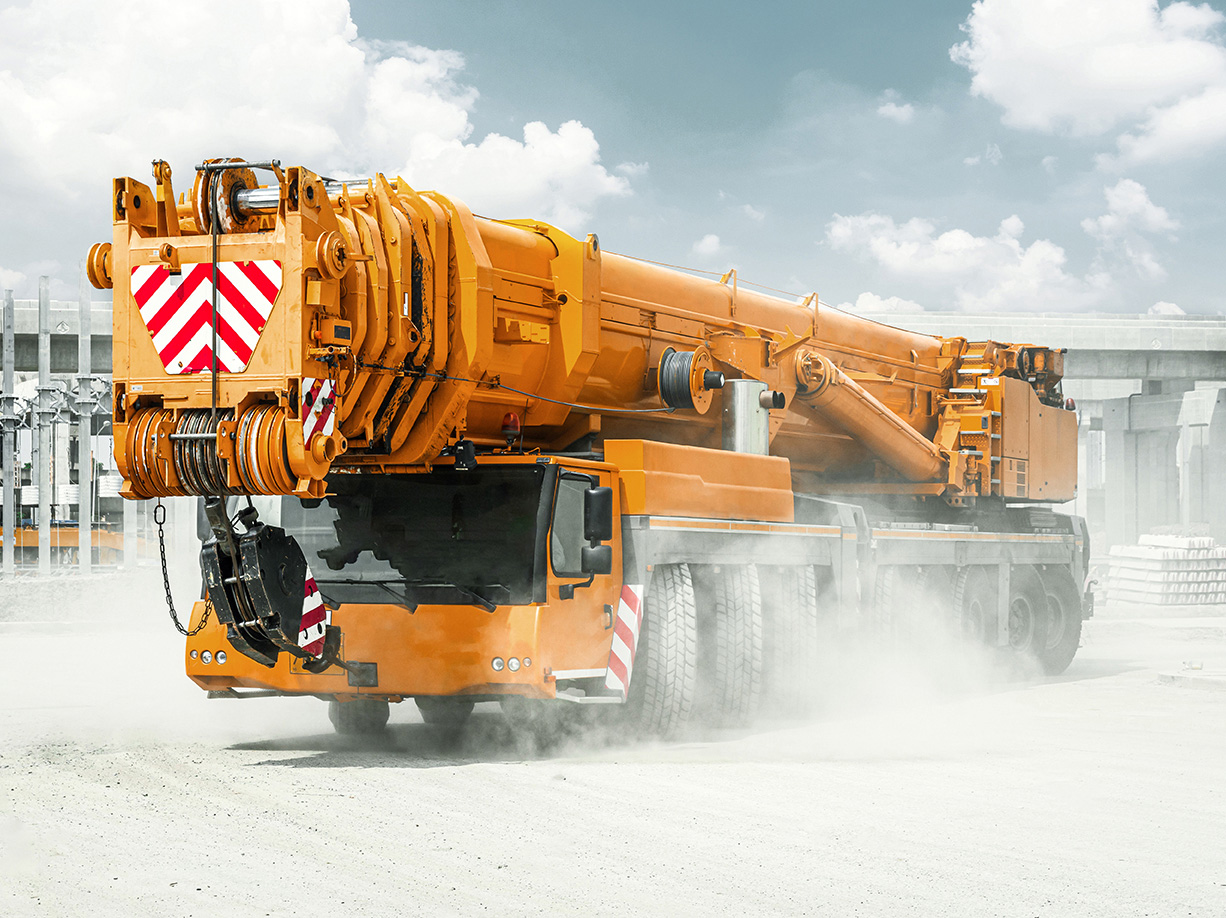
Mobile Crane Booms
MAXIL steel reduces boom weight while maintaining lifting capacity and structural safety in mobile crane applications.
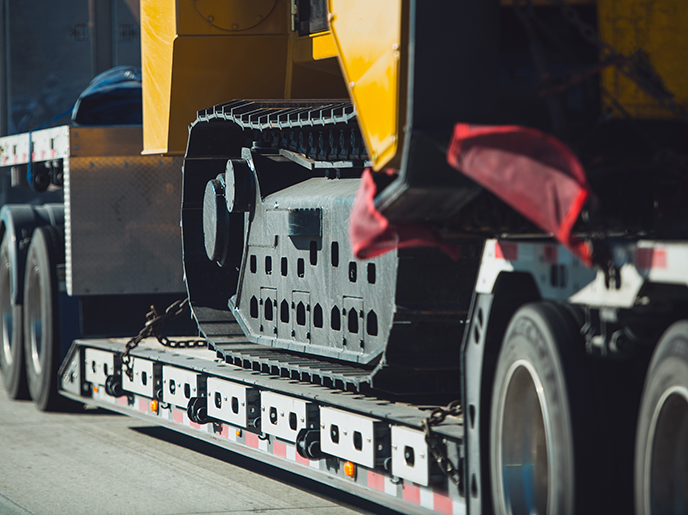
Heavy-Duty Transport & Low-Loaders
Lighter, stronger chassis and platforms for heavy-duty transport equipment, reducing dead weight without losing capacity.
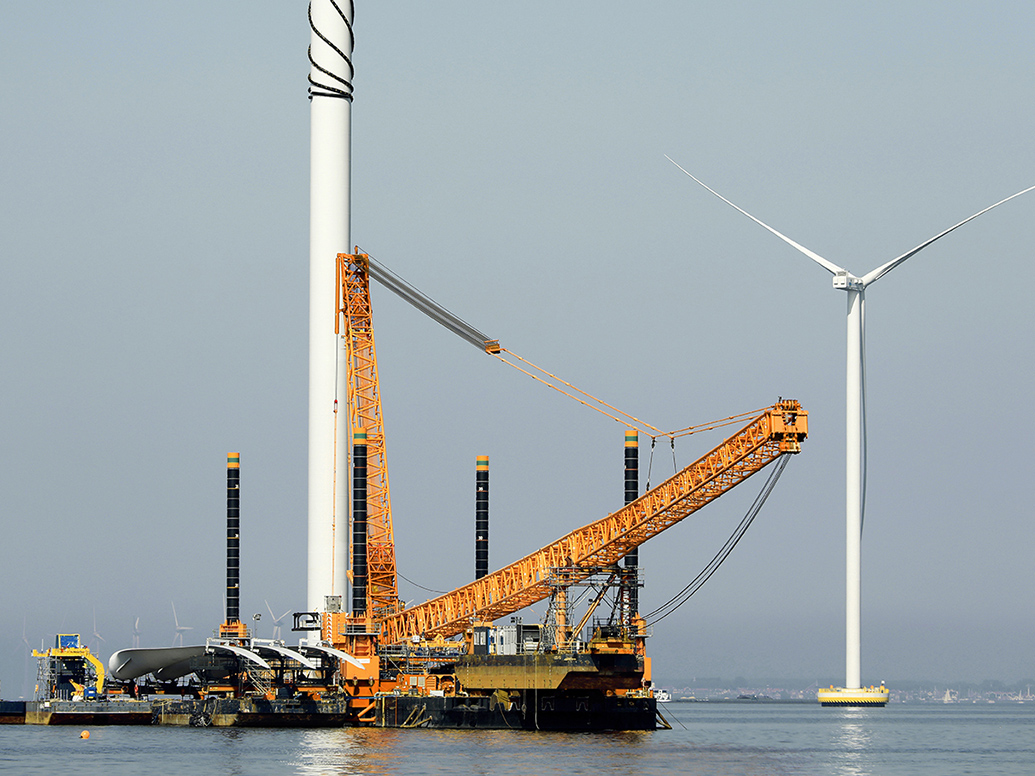
Offshore & Onshore Wind Installation
Built to withstand the extreme structural loads of wind installation equipment in demanding offshore and onshore environments.
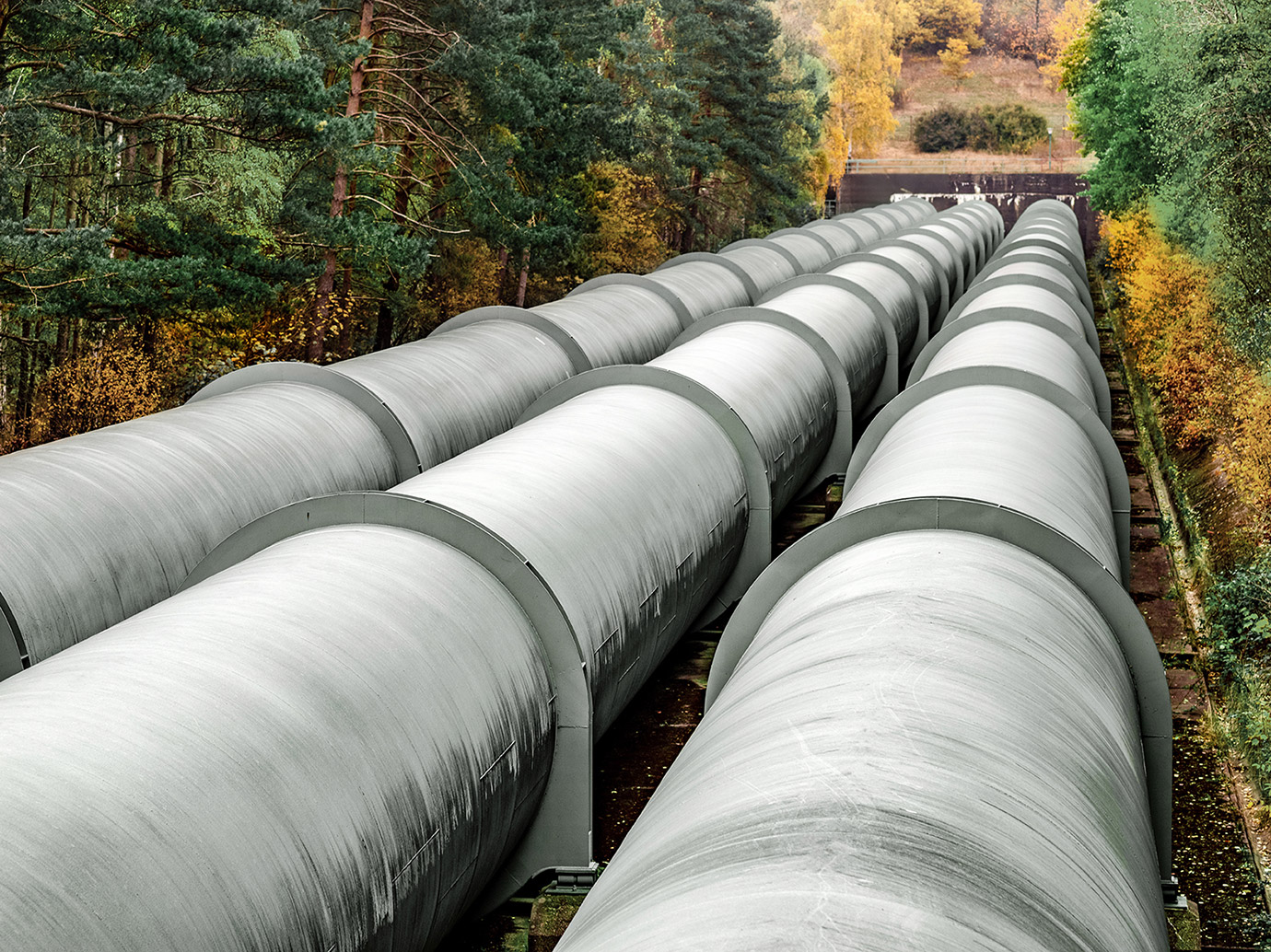
Pressure Vessels & Pumped-Storage Components
Reliable performance in high-pressure structural components, including pumped-storage facility pressure.
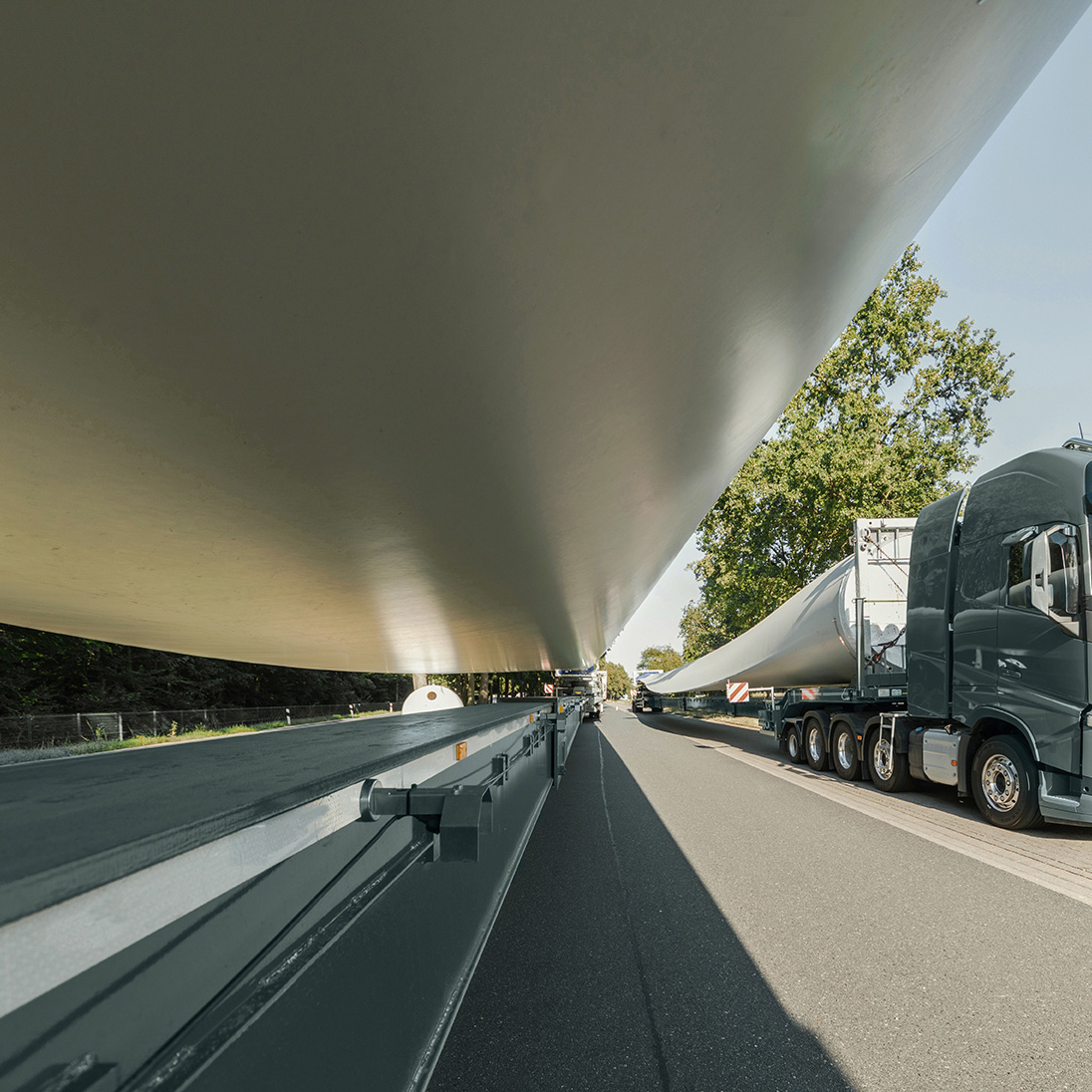
Heavy Machinery & Structural Equipment
Structural components for heavy machinery that demand a high strength-to-weight ratio and reliable performance.
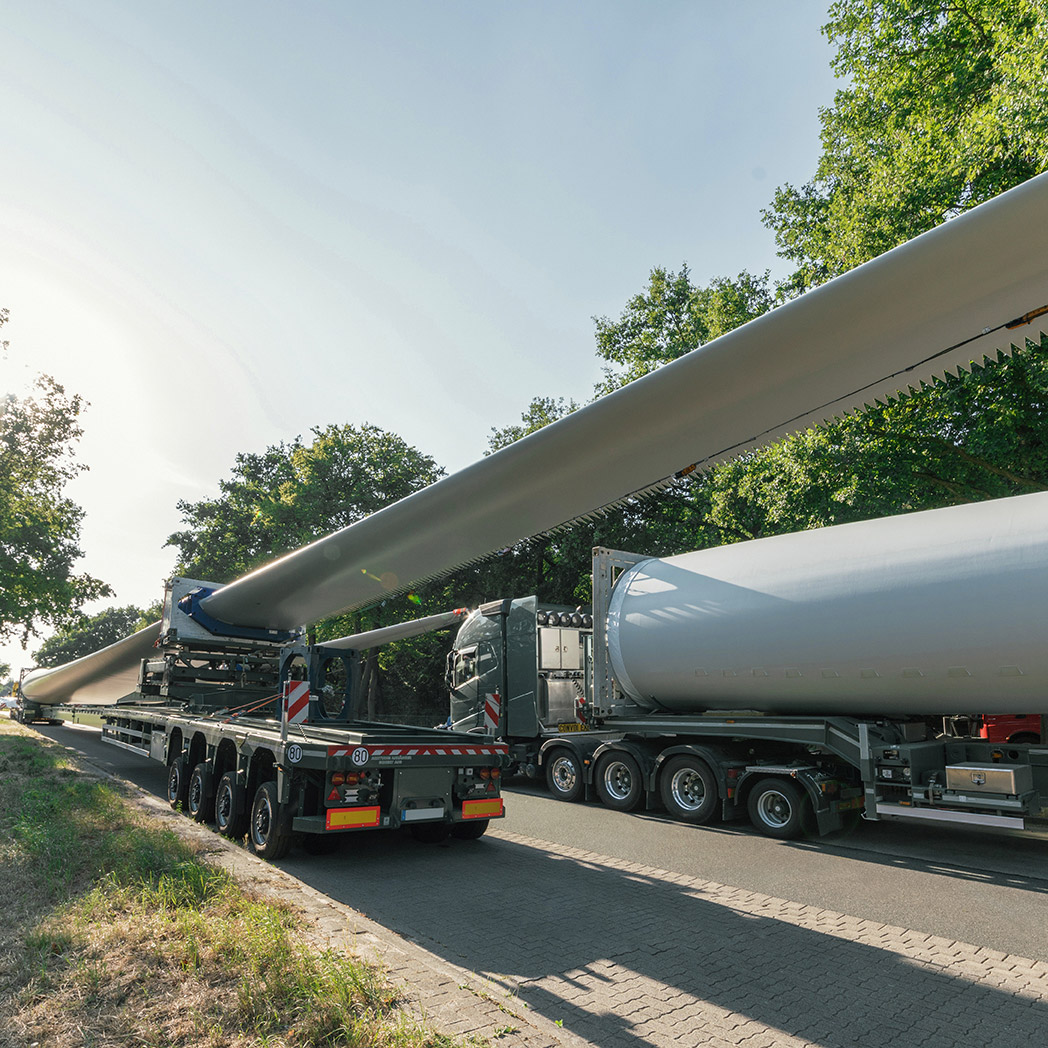
Lifting & Material Handling
Equipment
Higher strength allows lighter lifting equipment to be built without losing capacity or safety margins.
Available MAXIL® Products
Explore our available MAXIL® high-strength structural steel grades for demanding industrial, crane and structural applications.
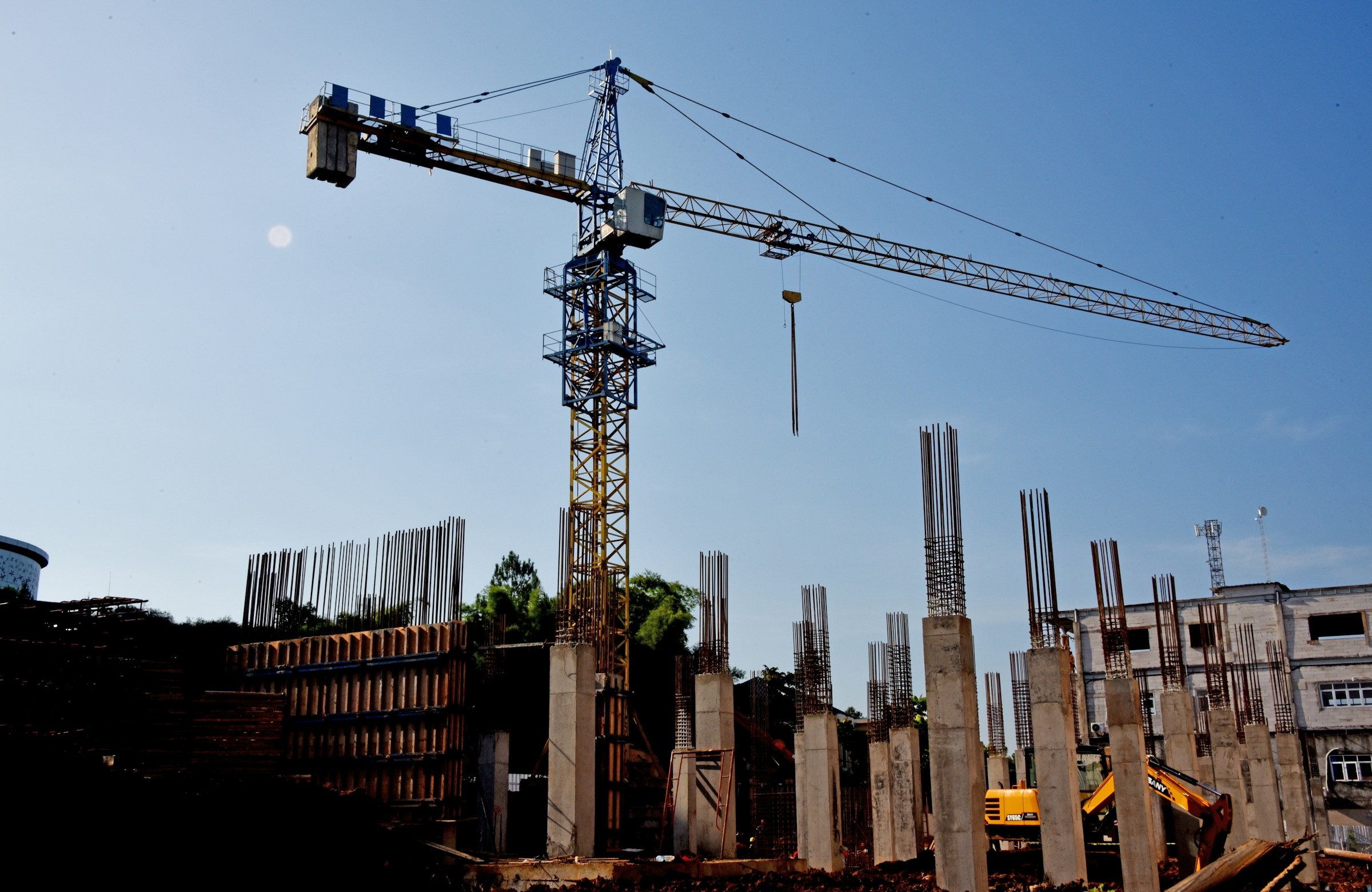
MAXIL® 690
High-strength structural steel with a minimum yield strength of 690 MPa, offering the best balance between strength and weldability.
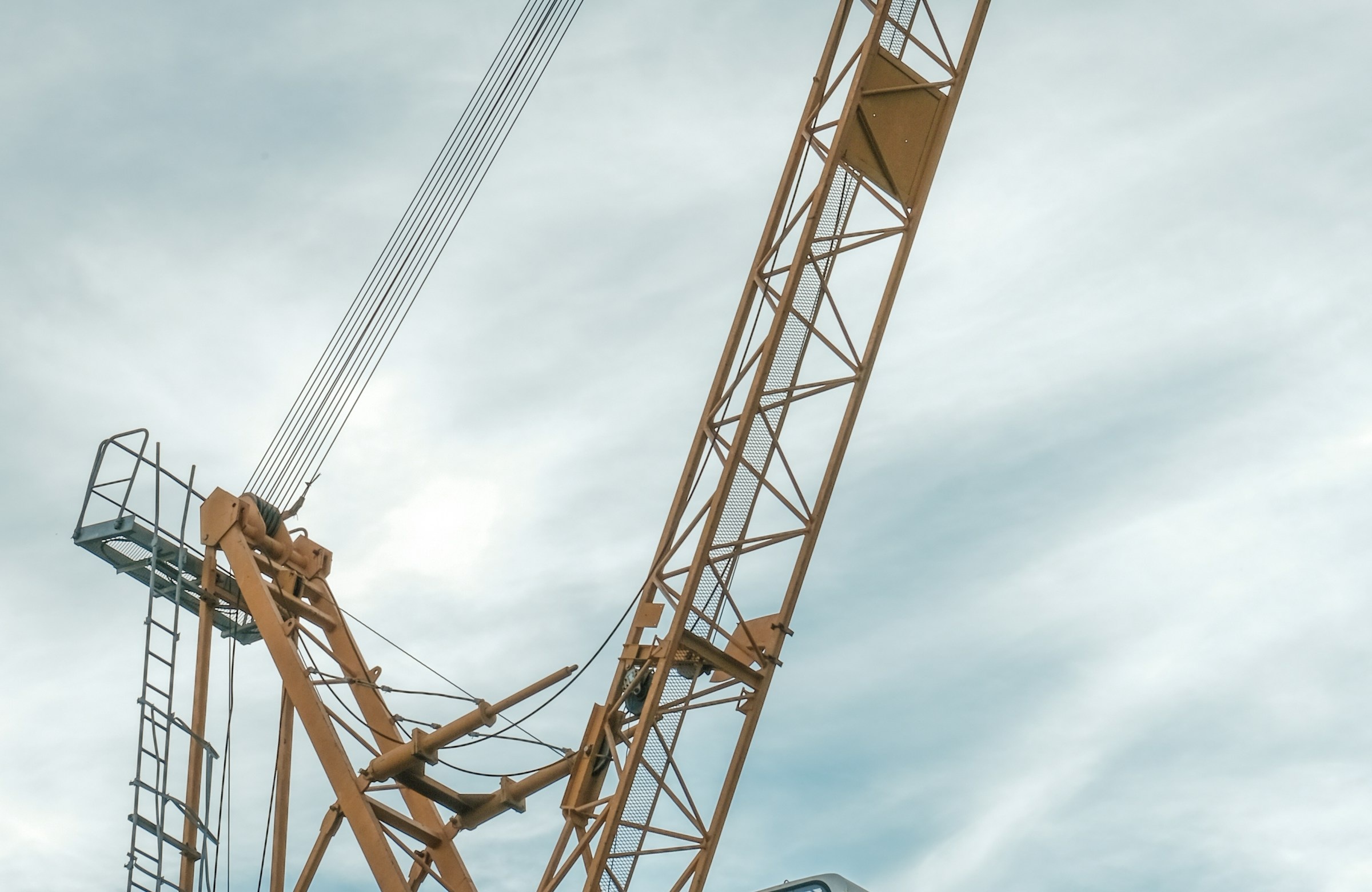
MAXIL® 890
High-strength structural steel with a minimum yield strength of 890 MPa, designed for structures requiring higher strength with reduced weight.
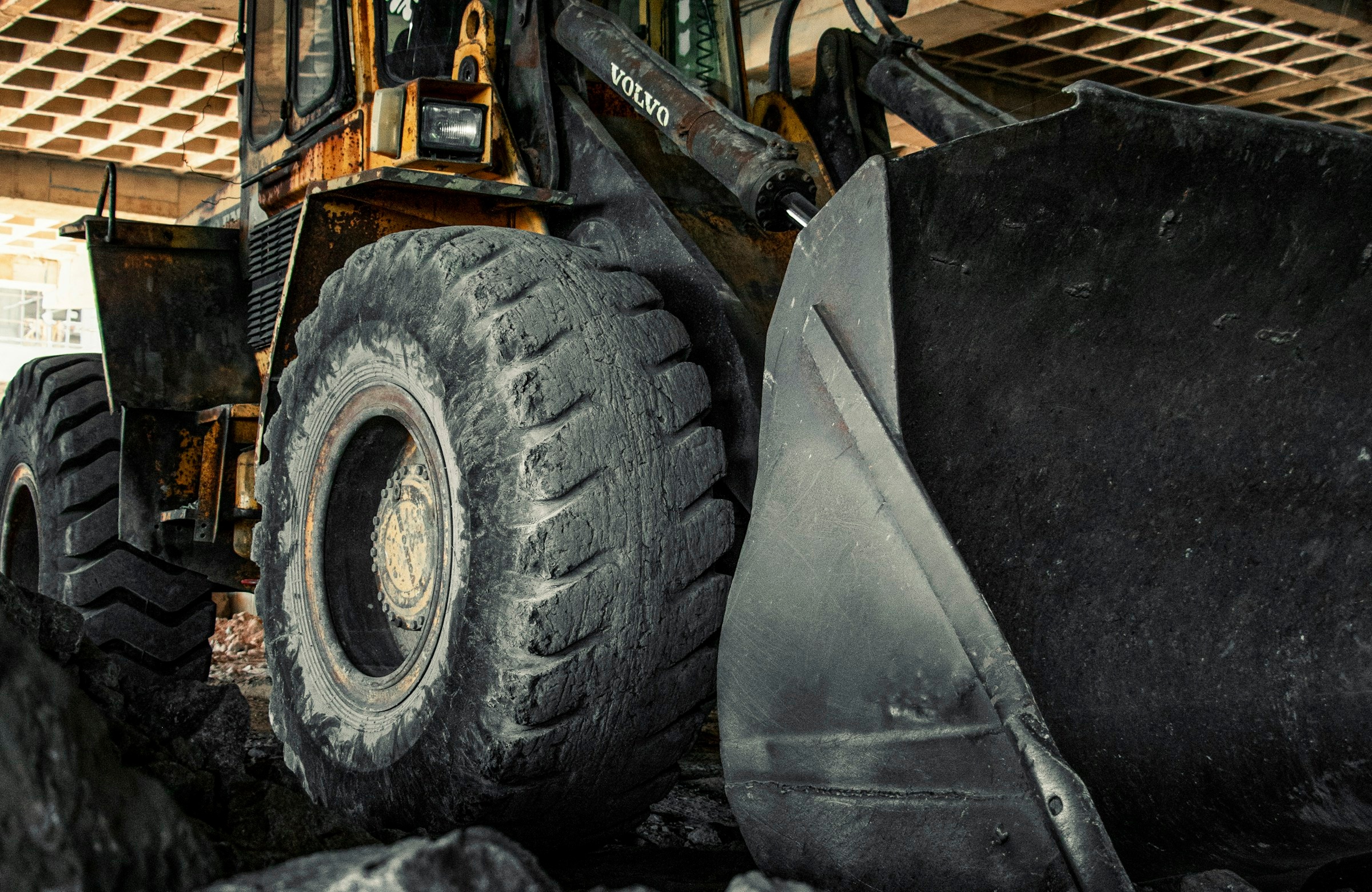
MAXIL® 960
High-strength structural steel with a minimum yield strength of 960 MPa, built for the most demanding high-strength structural applications.
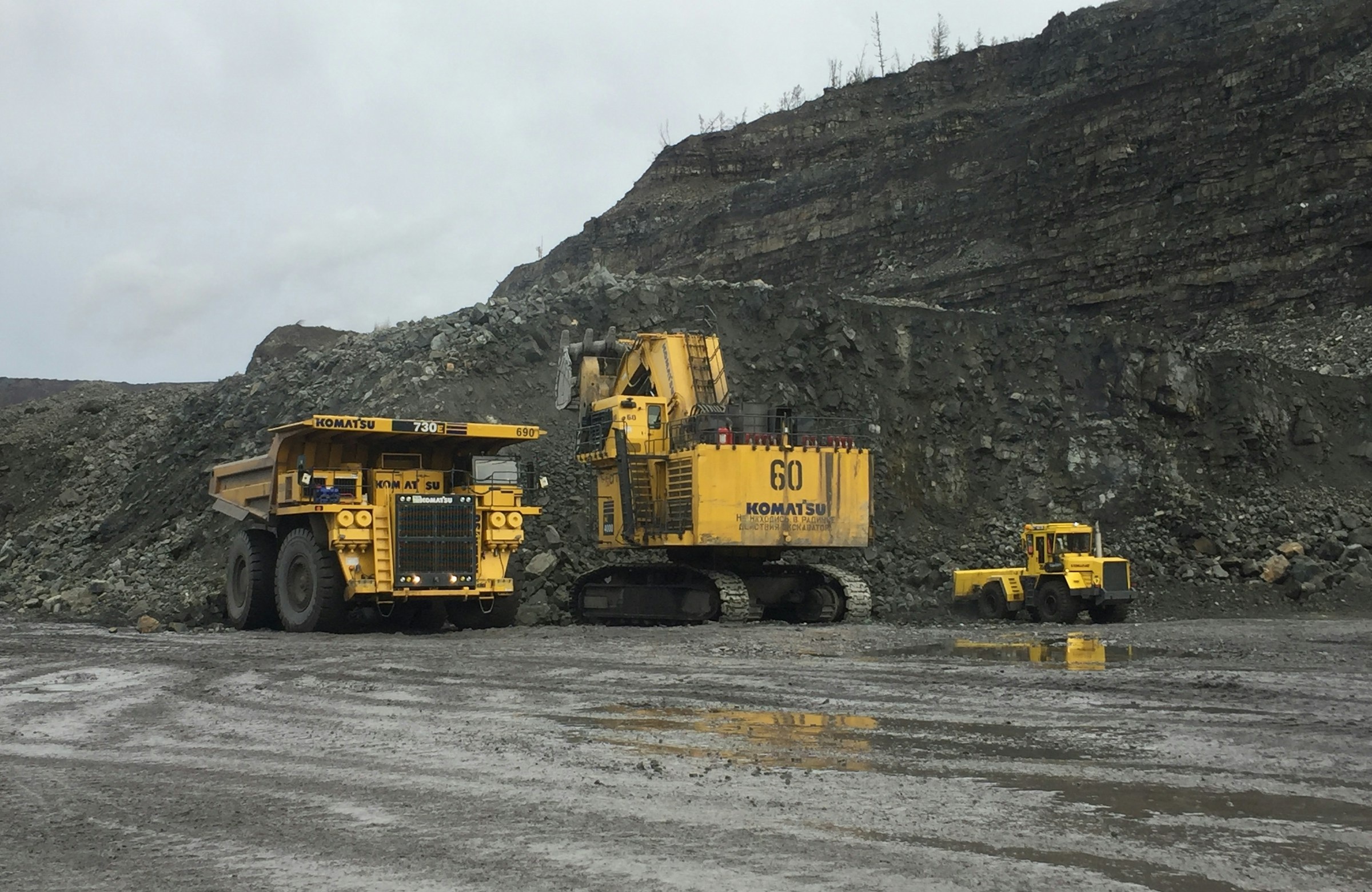
MAXIL® 1100 QL
Quenched and tempered high-strength steel with a minimum yield strength of 1,100 MPa, for the most demanding lightweight, high-load structural applications.

MAXIL® 1300 QL
Quenched and tempered high-strength steel with a minimum yield strength of 1,300 MPa — the top of the MAXIL® range, for extreme load-to-weight applications.
Why Choose MAXIL Steel?
High Strength
Guaranteed yield strengths of up to 1,300 MPa across the MAXIL® range, combining exceptional strength with toughness.
Optimized Processing
Reduced carbon content means lower preheating requirements and reduced welding costs.
Weight & Cost Efficiency
Lighter, stronger designs mean less material usage and lower transport and processing costs.